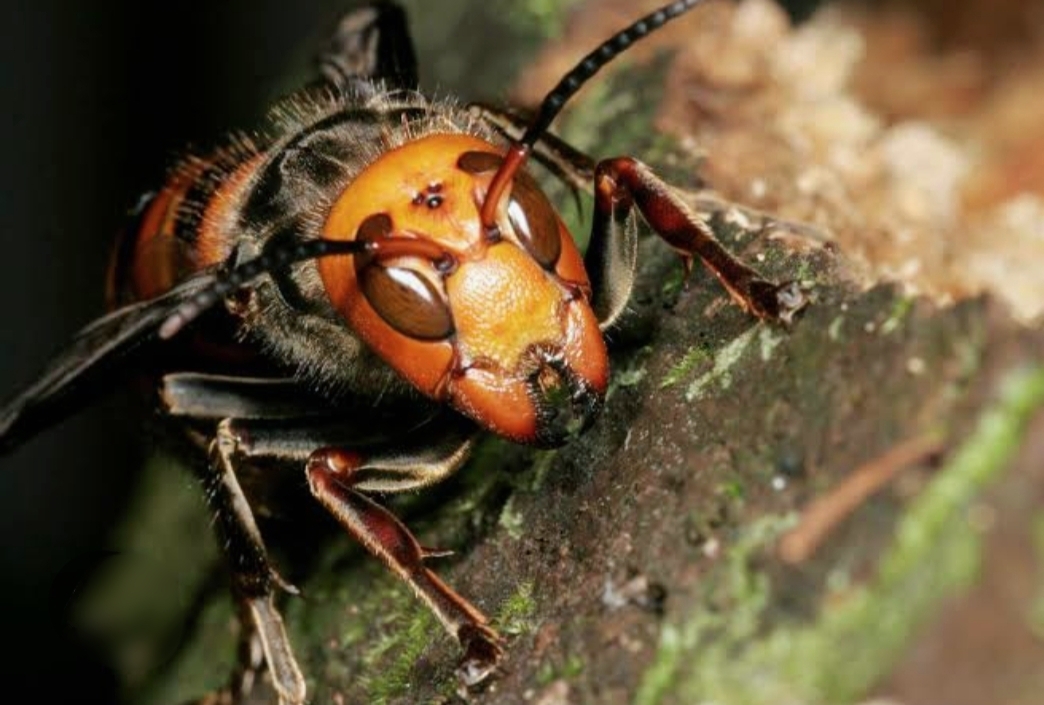
A wasp that’s as big as your thumb, its orange head shining brightly in the sunlight, wings cutting through the air.This isn’t just any bug.
Scientifically referred to as Vespa mandarinia, the Asian giant hornet is originally from various regions in Asia, such as Japan, China, Thailand, and South Korea, along with the Russian Far East.
People often mix it up with other hornets or big wasps, but don’t be fooled. This species is the biggest and has a powerful sting.
Body length: can reach up to 5 centimetres (about 2 inches).
Wingspan: can extend to 7.5 centimetres (3 inches).
Stinger: roughly 6 millimetres long, able to penetrate thick clothing.
Venom: potent enough to destroy tissue and, in rare instances, cause organ failure.
How risky is its sting?
Just one sting from an Asian giant hornet is super painful. It feels like a hot nail being pushed into your skin.
This intense pain comes from a venom mix that includes mandaratoxin, a strong neurotoxin, along with other enzymes and chemicals that cause severe inflammation.
Although a single sting probably won’t be lethal for most healthy individuals, getting stung multiple times can be fatal, particularly if it triggers anaphylaxis, which is a serious allergic reaction.
Even for those without allergies, if a person gets stung several times like a farmer who accidentally disturbs a nest.
The venom can overpower the kidneys, nervous system, or heart.
There’s another player in the “giant wasp” game – Megalara garuda, also known as the King of Wasps.
Found in Indonesia back in 2012, this eye catching black bug can grow to about 3.5 centimeters long.
What makes it unique are the ridiculously long mandibles on the males, which are almost as long as their front legs. Scientists think they use these during mating displays or to fend off competitors.
Megalara garuda is big and looks intimidating, there’s not much info on whether its sting is dangerous to humans.
There haven’t been any confirmed cases of it stinging anyone, so while it’s the largest wasp species overall, it’s the Asian giant hornet that really poses a known threat to people.
What should you do if you come across one of these wasps?
Luckily, these hornets aren’t aggressive unless you mess with them.
They won’t chase you down the street like a monster from a movie.
However, disturbing a nest, especially in wooded areas or under tree roots, can be risky.
Don’t swat at them or try to provoke them.If you notice one flying around or being aggressive, back away slowly.
The Asian giant hornet isn’t just a villain in the insect kingdom. It actually has a crucial role in the ecosystem by hunting down pest insects and helping to maintain balance.
DISCLAIMER: This article is derived from information available in the public domain.
- Makeup Mistakes Secretly Aging Your Skin

- Emergency Car Checklist: Items You Should Always Carry

- What Is Graveyard Dating? Gen Z’s New Relationship Habit

- Urine Formation: The Hidden Process Nobody Explains

- Walking 3-4 Miles Daily As You Age: Helping or Hurting Your Knees And Hips

- Group Voice And Video Calls Coming Soon To WhatsApp

- How To Stay Young: Habits That Actually Work

- Google AI Mode Unveils Search Agents That Track The Web In Real Time

- Why Tamil Nadu’s Kirti Chakra Hero Became a National Inspiration?

- Tejas Shirse Sets New 110m Hurdles National Record

- The Beauty Of Change: Eighteen Lessons From Life

- 3 Days To A Morning Person: Fact or Fantasy?

- New Zealand Legend Kane Williamson Announces Retirement

- FIFA World Cup 2026: How Fans Can Watch Matches For Free

- YouTube Relaunches Private Chats With Age Verification

- The Future Of Air Travel: Why The 100ml Liquid Limit May Soon Disappear

- Rising Temperatures, Rising Tempers? The Surprising Link Between Heat And Aggression

- India’s Lost Dragonfly Returns After 110 Years

- Snapchat Introduces Safer Story Sharing For Under-16 Users

- Google Launches Gemini 3.5 Live Translate

- The New Dating Trend Everyone’s Talking About: Puffer-Fishing

- Tea, Coffee, Juice: The Worst Empty Stomach Mistakes

- Instagram Introduces Profile Grid Customization

- Skywatchers Alert: Jupiter And Venus Set For A Rare Close Encounter Tonight

- Chrome Just Downloaded a 4GB AI Model? Here’s How to Delete It

- Why Does Real Love Feel Different Than We Expect?

- The 30-Minute Parenting Secret Every Child Needs

- Remote Robotics: Control Robotic Arms From Your Smartphone

- Mumbai’s Pod Taxis: Will BKC Benefit?

- Beyond The Missing Period: Understanding MRKH Syndrome

- Why Calling Every Stomach Problem ‘Gas’ Can Be Risky?

- Poke: Apple’s First AI Agent Debuts

- AC Drying Out Your Skin? Try This Simple Fix

- Want More Fireflies? Transform Your Garden Today

- Spotify Launches Podcast Clips For Instant Highlight Saving

- The Hidden Reason Summer Causes More Headaches

- Early Iron Deficiency Symptoms You Shouldn’t Ignore

- Meta Introduces Premium ‘Plus’ Tier For Instagram, Facebook And WhatsApp

- WhatsApp Launches Channel Status For 24-Hour Admin Updates

- 5 Powerful Signs You’re With The Right Person

- Social Media: The New Smoking For Children?

- Dewy, Glossy, Sweaty: The Viral Makeup Trend Everyone’s Trying

- Luna Launches Smart AI Band For Real-Time Daily Planning

- Meta Launches New ‘Forum’ App

- Why Is Your C-Section Scar Vertical?

- Red vs Orange Heat Alerts: Which One Puts Your Body At Greater Risk?

- Does AC Sleep Weaken Your Immunity? – Myth or Fact?

- The Rise Of Nonnamaxxing

- How To Clean Mushrooms Without Turning Them Soggy?

- How Hot Nights Quietly Harm Your Sleep And Heart?

- Indian Content Creators Can Win a Free Nepal Trip — Here’s How To Apply

- Gemini Omni Flash Brings Multimodal AI Video Creation To Google

- Essential Oil Diffusers: Healthy Trend or Hidden Hazard?

- Gmail Users Alert: Your Free 15 GB Storage Could Disappear

- YouTube Introduces Likeness Detection For 18+ Users

- AI vs Human Language: Is Learning Still Worth It?

- OpenAI Unveils ChatGPT Finance Tools With Direct Bank Integration

- The Ageing Risk Of Sleeping Too Much Or Too Little

- Fitness or Future Pain? The Truth About Joint-Damaging Workouts

- Salt Water Trend: What You Need To Know First?

- X Launches History Tab For Likes, Bookmarks And Videos

- Stay Chill: Smart Gadgets For Summer

- Instagram Launches Instant For Disappearing Photos

- ChatGPT App Now Supports Codex Coding Tool

- Best Smart Devices For Senior Citizens

- Why Did Humans Use To Eat Soil, And Why Do Some Still Do?

- How Your Body Responds To Sleep Deprivation

- Glow Naturally: Simple Habits For Healthier Skin

- Google Chrome Too Messy? Easy Tricks For Smoother Browsing

- Faustino Oro Becomes Chess’s Second-Youngest Grandmaster

- The World’s First Railway: Where It Began?

- Google Upgrades Cars With Gemini AI

- The Hidden Warning On Your Skin: Early Signs Of Diabetic Rash

- Amazon Launches Vertical Feed For Prime Video

- Say Goodbye To Mosquitoes Naturally With These 6 Plants

- Puffy Face? Simple Ways To De-Puff Your Face

- Google Launches Fitbit Air: A New Era In Sleep And Recovery Tracking Begins

- Planning A Trip To Rudranath Temple? Here’s The Complete Reopening Guide

- Japan’s Simple Secrets To Heart Health


Leave a Reply