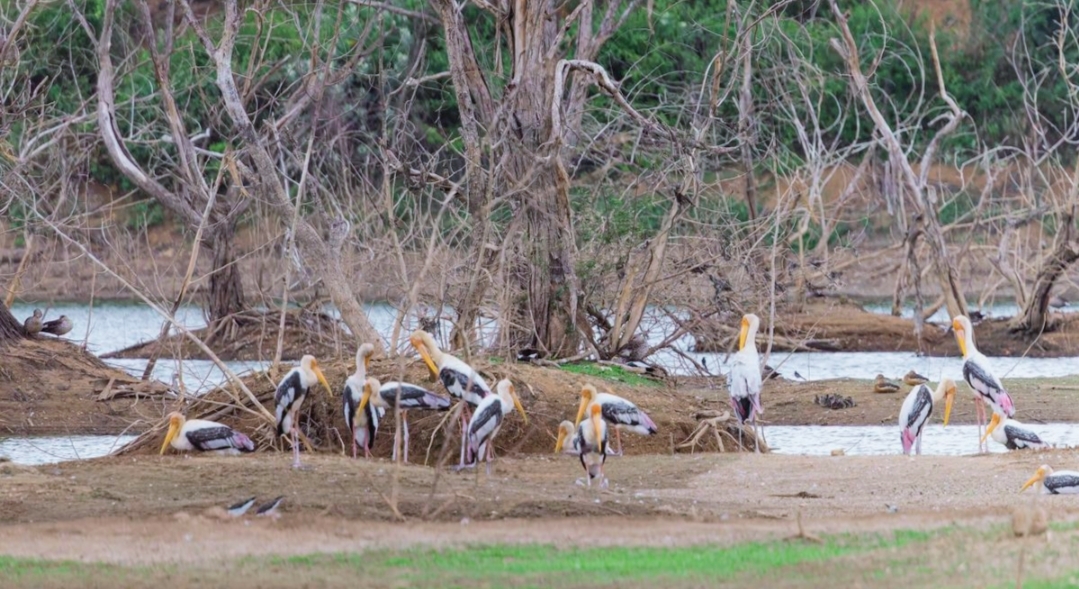
On Monday, the Tamil Nadu government announced that Elathur Lake in Erode district has been designated as the State’s third Biodiversity Heritage Site (BHS).
This recognition highlights its diverse bird life, unique wetland ecosystems, and cultural importance.
The Environment, Climate Change and Forest Department issued the notification under Section 37(1) of the Biological Diversity Act, 2002.
Elathur Lake now joins Arittapatti in Madurai, which was declared a BHS in November 2022, and Kasampatty in Dindigul, recognized earlier this year, as part of a growing network of heritage sites throughout Tamil Nadu.
Officials noted that these notifications are part of a broader strategy to safeguard biodiversity beyond traditional protected areas, emphasizing the vital role of local communities in conservation efforts.
Covering 37.42 hectares in Nambiyur taluk, this wetland features a mix of deep and shallow waters, marshes, mudflats, scrubland, and rocky areas, creating habitats for a variety of species.
Surveys have identified 187 bird species, including migratory waterfowl, raptors, and several threatened species.
Noteworthy sightings include the Endangered Steppe Eagle, the Vulnerable River Tern and Greater Spotted Eagle, along with five Near Threatened species such as the Woolly necked Stork, Painted Stork, Oriental Darter, and Black headed Ibis.
In the busy migratory months, the lake is home to almost 5,000 birds, featuring winter guests like the Northern Pintail, Garganey, Bar headed Goose, Green winged Teal, Wigeon, and Shoveler.
Wagtails, sandpipers, warblers, shrikes, and migratory raptors contribute to the seasonal variety of the area.
Besides the birds, Elathur also supports native fish, amphibians, reptiles, invertebrates, and wetland plants, which makes it a hub of genetic diversity.
In January this year, the Elathur Town Panchayat passed a resolution that was later endorsed by the District Collector.
Following that, the Tamil Nadu Biodiversity Board recommended the site, highlighting its ecological and cultural importance, as well as its role in supporting migratory pathways.
Officials pointed out that the BHS designation isn’t about heavy regulations.
It’s more about promoting a conservation mindset, recognizing local communities, and enhancing livelihoods through ecological resilience.
DISCLAIMER: This article is derived from information available in the public domain.
- Makeup Mistakes Secretly Aging Your Skin

- Emergency Car Checklist: Items You Should Always Carry

- What Is Graveyard Dating? Gen Z’s New Relationship Habit

- Urine Formation: The Hidden Process Nobody Explains

- Walking 3-4 Miles Daily As You Age: Helping or Hurting Your Knees And Hips

- Group Voice And Video Calls Coming Soon To WhatsApp

- How To Stay Young: Habits That Actually Work

- Google AI Mode Unveils Search Agents That Track The Web In Real Time

- Why Tamil Nadu’s Kirti Chakra Hero Became a National Inspiration?

- Tejas Shirse Sets New 110m Hurdles National Record

- The Beauty Of Change: Eighteen Lessons From Life

- 3 Days To A Morning Person: Fact or Fantasy?

- New Zealand Legend Kane Williamson Announces Retirement

- FIFA World Cup 2026: How Fans Can Watch Matches For Free

- YouTube Relaunches Private Chats With Age Verification

- The Future Of Air Travel: Why The 100ml Liquid Limit May Soon Disappear

- Rising Temperatures, Rising Tempers? The Surprising Link Between Heat And Aggression

- India’s Lost Dragonfly Returns After 110 Years

- Snapchat Introduces Safer Story Sharing For Under-16 Users

- Google Launches Gemini 3.5 Live Translate

- The New Dating Trend Everyone’s Talking About: Puffer-Fishing

- Tea, Coffee, Juice: The Worst Empty Stomach Mistakes

- Instagram Introduces Profile Grid Customization

- Skywatchers Alert: Jupiter And Venus Set For A Rare Close Encounter Tonight

- Chrome Just Downloaded a 4GB AI Model? Here’s How to Delete It

- Why Does Real Love Feel Different Than We Expect?

- The 30-Minute Parenting Secret Every Child Needs

- Remote Robotics: Control Robotic Arms From Your Smartphone

- Mumbai’s Pod Taxis: Will BKC Benefit?

- Beyond The Missing Period: Understanding MRKH Syndrome

- Why Calling Every Stomach Problem ‘Gas’ Can Be Risky?

- Poke: Apple’s First AI Agent Debuts

- AC Drying Out Your Skin? Try This Simple Fix

- Want More Fireflies? Transform Your Garden Today

- Spotify Launches Podcast Clips For Instant Highlight Saving

- The Hidden Reason Summer Causes More Headaches

- Early Iron Deficiency Symptoms You Shouldn’t Ignore

- Meta Introduces Premium ‘Plus’ Tier For Instagram, Facebook And WhatsApp

- WhatsApp Launches Channel Status For 24-Hour Admin Updates

- 5 Powerful Signs You’re With The Right Person

- Social Media: The New Smoking For Children?

- Dewy, Glossy, Sweaty: The Viral Makeup Trend Everyone’s Trying

- Luna Launches Smart AI Band For Real-Time Daily Planning

- Meta Launches New ‘Forum’ App

- Why Is Your C-Section Scar Vertical?

- Red vs Orange Heat Alerts: Which One Puts Your Body At Greater Risk?

- Does AC Sleep Weaken Your Immunity? – Myth or Fact?

- The Rise Of Nonnamaxxing

- How To Clean Mushrooms Without Turning Them Soggy?

- How Hot Nights Quietly Harm Your Sleep And Heart?

- Indian Content Creators Can Win a Free Nepal Trip — Here’s How To Apply

- Gemini Omni Flash Brings Multimodal AI Video Creation To Google

- Essential Oil Diffusers: Healthy Trend or Hidden Hazard?

- Gmail Users Alert: Your Free 15 GB Storage Could Disappear

- YouTube Introduces Likeness Detection For 18+ Users

- AI vs Human Language: Is Learning Still Worth It?

- OpenAI Unveils ChatGPT Finance Tools With Direct Bank Integration

- The Ageing Risk Of Sleeping Too Much Or Too Little

- Fitness or Future Pain? The Truth About Joint-Damaging Workouts

- Salt Water Trend: What You Need To Know First?

- X Launches History Tab For Likes, Bookmarks And Videos

- Stay Chill: Smart Gadgets For Summer

- Instagram Launches Instant For Disappearing Photos

- ChatGPT App Now Supports Codex Coding Tool

- Best Smart Devices For Senior Citizens

- Why Did Humans Use To Eat Soil, And Why Do Some Still Do?

- How Your Body Responds To Sleep Deprivation

- Glow Naturally: Simple Habits For Healthier Skin

- Google Chrome Too Messy? Easy Tricks For Smoother Browsing

- Faustino Oro Becomes Chess’s Second-Youngest Grandmaster

- The World’s First Railway: Where It Began?

- Google Upgrades Cars With Gemini AI

- The Hidden Warning On Your Skin: Early Signs Of Diabetic Rash

- Amazon Launches Vertical Feed For Prime Video

- Say Goodbye To Mosquitoes Naturally With These 6 Plants

- Puffy Face? Simple Ways To De-Puff Your Face

- Google Launches Fitbit Air: A New Era In Sleep And Recovery Tracking Begins

- Planning A Trip To Rudranath Temple? Here’s The Complete Reopening Guide

- Japan’s Simple Secrets To Heart Health

- Ube Coffee: Trendy Treat or Overhyped Drink?

- Don’t Ignore These AC Warning Signs

- Thinking About Them Nonstop? The Rise Of Limerence

- The Rise Of The ‘Ick’ In Modern Dating

- Step By Step: The Simple Habit That Lowers Blood Pressure Fast

- Galaxy AI Glasses Official, Samsung Teases Earbuds Upgrade

- What Rice Water Really Does To Your Skin Overnight?

- Robots At The Gate: Tokyo’s Bold Airport Experiment


Leave a Reply