Have you ever seen a creature eat its own flesh?
Some animals in the wild actually eat parts of themselves, which is as weird and unsettling as it sounds.
This can be a survival tactic to regain nutrients, a way to fuel regeneration, or even a method to escape threats.
Lizards
Lizards like fat-tailed geckos, red-tailed skinks, grass lizards, green anoles, and leopard geckos can shed their tails when threatened to distract predators.
After escaping, they often eat the detached tail to recover lost fat, nutrients, and calcium.

This behavior is quite common among skinks and lizards.
Frogs And Toads
Frogs also engage in nutrient recycling through a process called dermatophagy.
In this case, frogs and toads, like green tree frogs, regularly shed and consume their skin to recycle proteins, support their skin microbiomes, and eliminate scent trails.

This behavior might even help them self-immunize against pathogens.
These amphibians are also known to practice cannibalism.
Crustaceans
Many crustaceans—such as crabs, lobsters, and shrimp—eat their shed exoskeletons after molting. This helps them recycle calcium and other important minerals their bodies need.

Sometimes, crustaceans like crabs, lobsters, and shrimp will attack and eat other members of their species right after they molt, when their bodies are still soft and vulnerable.
Spiders
In certain species of spiders—like the black lace-weaver, desert spider, and social Stegodyphus spiders—mothers give up their lives for their young.
After the eggs hatch, baby spiders eat their mother’s liquefied body, gaining about 30% of their early nutrition.
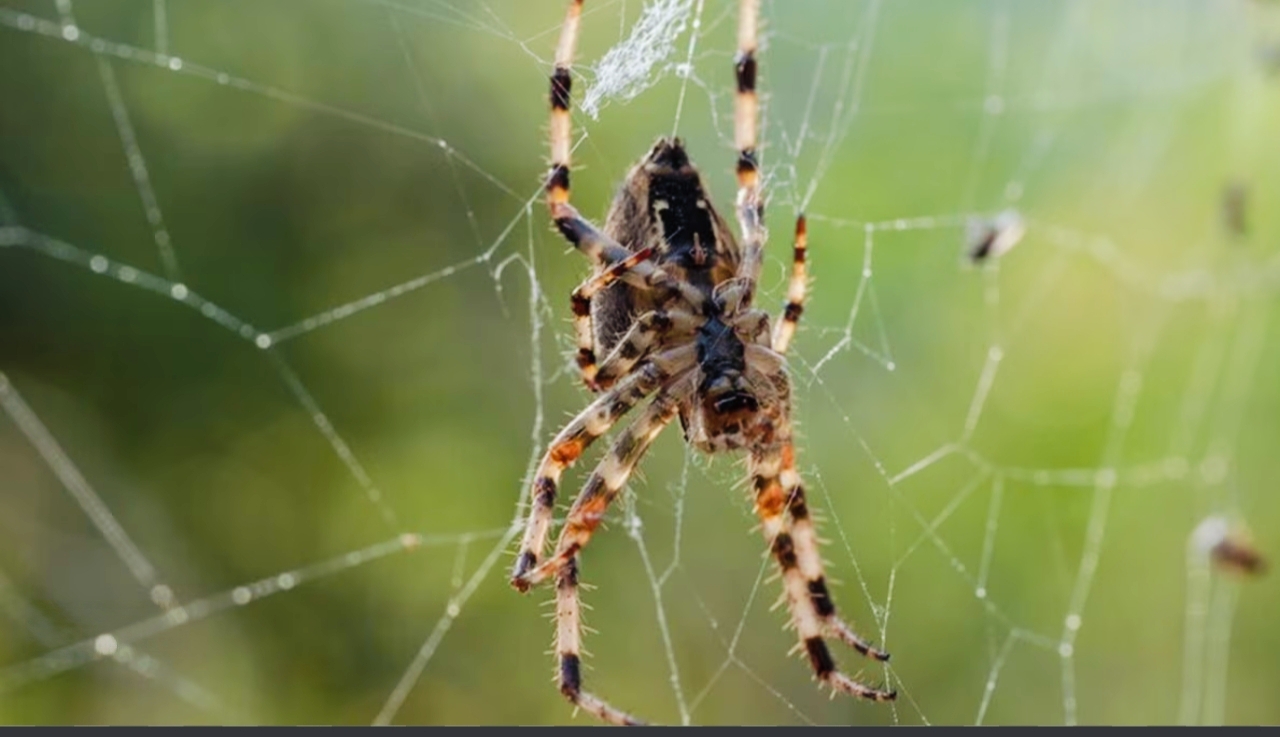
Many spiders also eat their own injured or shed legs to recycle valuable nutrients like protein and minerals.


Leave a Reply