Humans aren’t the only creatures that can heal themselves.
In nature, animals have been seen picking specific plants, insects, and even minerals to fight infections, ease pain, and ward off illness.This behavior, known as zoopharmacognosy.
Chimpanzees
Chimpanzees in Africa have been spotted chewing on the bitter leaves of Vernonia amygdalina when they’re feeling unwell. These leaves are known for their antiparasitic and antibacterial properties.

Chimpanzees in good health tend to avoid this plant because it tastes bad, but sick chimpanzees actively seek it out, suggesting that they use it on purpose rather than accidentally.
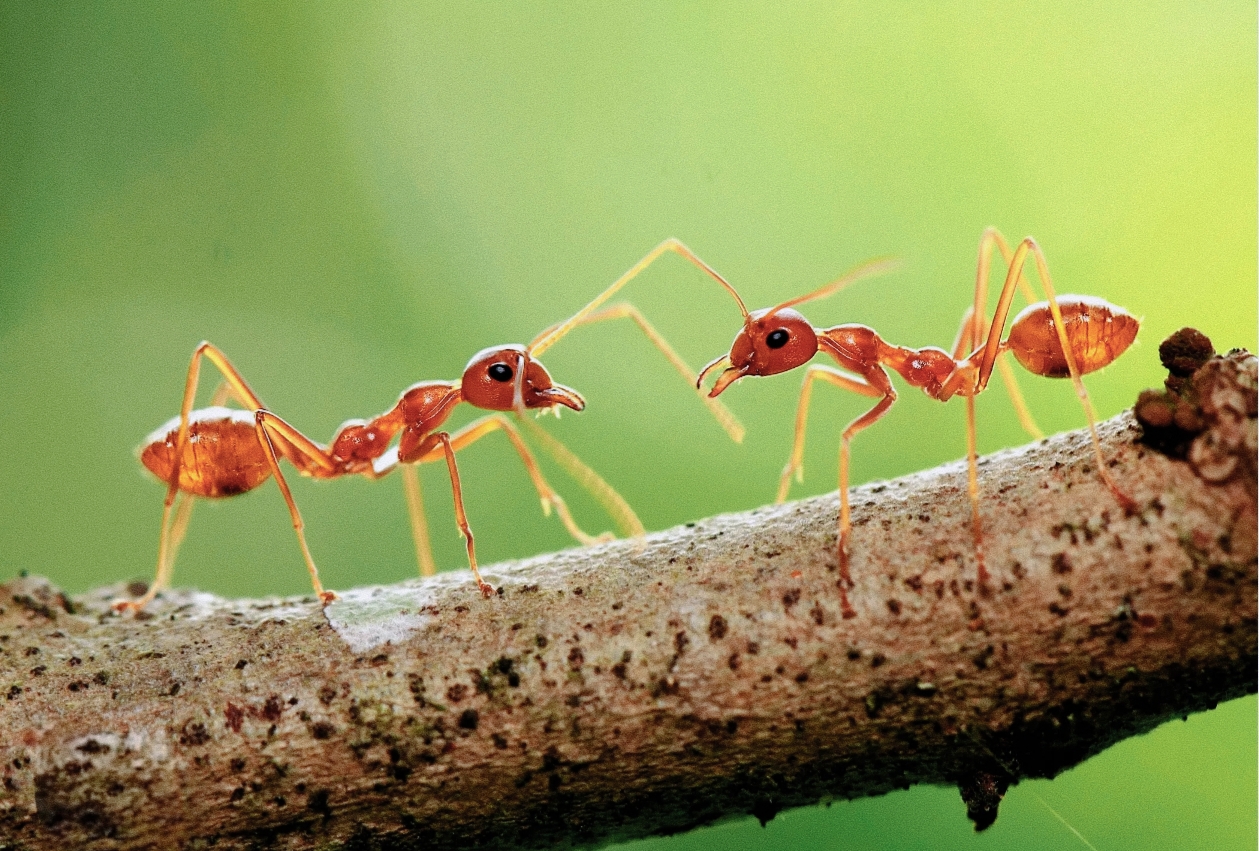
Ant
Ant colonies are particularly vulnerable to diseases because of their high population density.
Also Read | Why Elephants Listen With Their Feet
To combat this, some ant species use tree resin in their nests. The resin has antimicrobial qualities that help limit the growth of bacteria and fungi.
Infected ants have also been seen isolating themselves to stop the spread of disease – a behavior that closely resembles human quarantine methods.
Monarch Butterfly
Monarch butterflies take self-care even further by treating their young.
Female monarchs lay their eggs on milkweed plants, which have stronger medical qualities, when they are parasite-infected.

Milkweed contains compounds that hinder parasite growth in caterpillars, boosting their chances of survival.
While this behavior doesn’t cure the adult butterfly, it does safeguard the next generation, showcasing an impressive evolutionary tactic for managing disease.
It highlights how instinct, evolution, and learning enable animals to thrive without the help of doctors or pharmacies.
DISCLAIMER: This article is derived from information available in the public domain.It’s always a good idea to check your veterinary doctor before beginning any new routine.


Leave a Reply