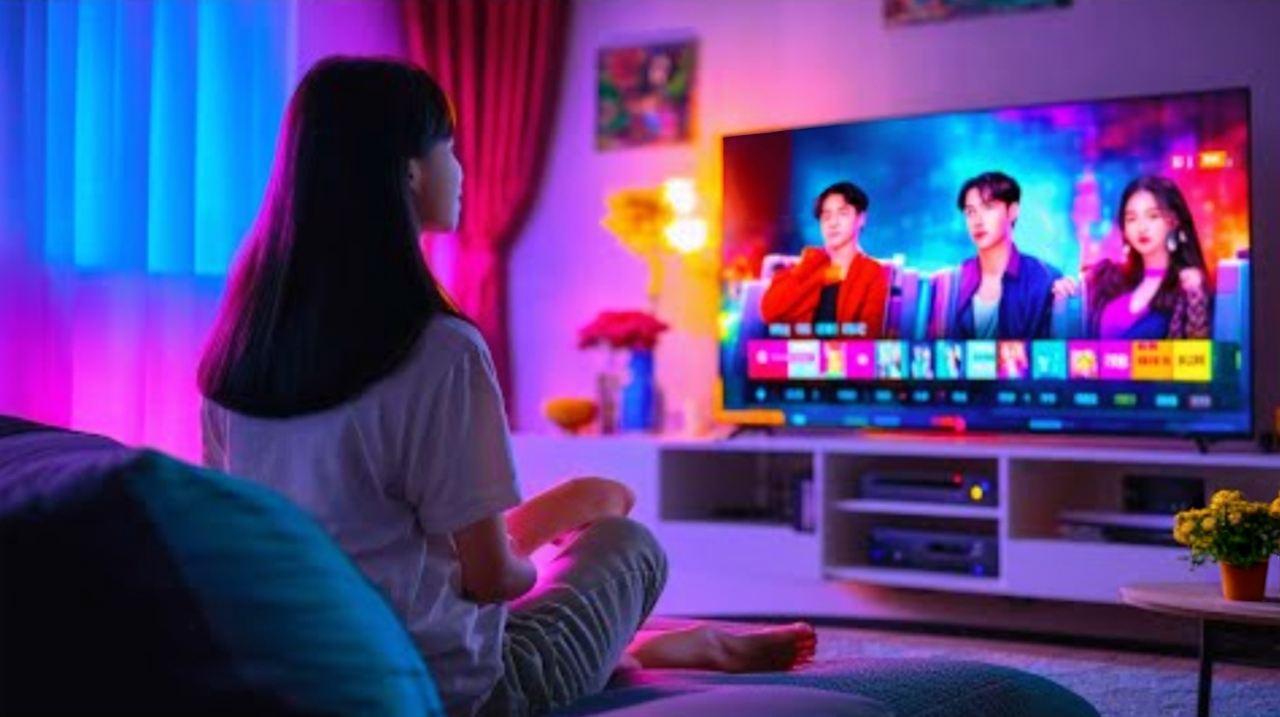
Korean dramas and K-pop have evolved into a cultural powerhouse, especially among young Indians who develop deep, one-sided emotional ties with celebrities they’ve never actually met.
These relationships, known as parasocial relationships, have encouraged the development of creative communities, but they have also raised concerns among parents about excessive screen time, emotional dependence, and kids swapping real-life relationships for online identities.
The rapid ascent of Korean films, TV series, music, and digital content since the 1990s is known as the Korean Wave, or Hallyu.
Social media and streaming services have increased their impact in India.
The Hallyu or Korean Wave phenomenon has gained significant popularity among the younger demographic on a global scale.
The growth of the Korean wave isn’t just about K-Pop videos and Korean dramas. It’s also sparked interest among the youth in Korean beauty brands, cosmetics, fashion, Korean cuisine, games, animation, and more.
The impact of Hallyu has raised awareness of everyday Korean culture, and travel between India and Korea is on the rise.
Kids would watch movies or admire stars from afar. K-pop changes that dynamic. Idols frequently engage through livestreams and social media, fostering continuous interaction.
Parasocial interactions are brief, one-sided moments of connection during media use, while parasocial relationships are long-lasting and involve a deeper emotional commitment over time.
Parents often see early signs of change in behavior. Kids watching livestream replays while doing homework, spending too much time on screens, mood swings, and feeling upset about online criticism of their favorite idols.
During the teenage years, kids typically turn to their friends or peer groups to share their feelings and feel understood.
If that environment doesn’t feel safe or isn’t available – maybe there’s a lack of emotional discussions at home, they feel overlooked, or they’re facing bullying or exclusion – they start seeking validation elsewhere.
With schoolwork shifting to teams and all communication going through WhatsApp, there’s not much parents can do to keep kids off their phones.
As long as it coexists with everyday life, healthy admiration is not an issue. When the fandom begins to control their emotions, it becomes a problem.
Signs include irritability when they miss content, trouble sleeping because of livestream schedules, or personal distress from online criticism of the idol.
As long as you show them respect in a balanced manner, admiration remains healthy. It crosses a line when you begin to mimic and become so fixated on it that it becomes overwhelming and necessary.
Children at this age can become overly attached to particular characters or routines, but they don’t really develop attachments to their idols like older children do. That’s why moderation and adult supervision are key, making sure screens don’t take the place of real-world play, interaction, or rest.
A lot of the tension between parents and kids revolves around screen time, the real issue is misunderstanding.
Parents might zero in on screen time or academic distractions, while kids see fandom as something meaningful and emotionally supportive.
The habit of being glued to the screen is concerning.
Parents should always back their kids because if they don’t understand how much this matters to us, it can hurt their self-esteem and emotional stability.
A child who feels socially awkward in real life might find their confidence online by sharing edits, writing fan fiction, learning choreography, or translating lyrics.
Fandom spaces allow young people to feel a sense of belonging by connecting with others who have similar interests. They promote self-expression through discussions and creative content.
The goal isn’t to prohibit but to find balance.The best approach is to have conversations without judgment.
Parents can ask what their kids enjoy about fandom or what it means to them emotionally. Some families create agreements about screen time while attending concerts or encouraging related hobbies.
It doesn’t have to be a power struggle. Kids still need sports and offline activities. Instead of shutting it down, ask, ‘What do you like about this?’.
It’s important to educate children on what constitutes knowledge. Teaching them how to consume content without confusing it with their real identity is essential.
Parents can begin by listening without dismissing.
Setting gentle boundaries, promoting offline play, and reminding children that celebrities are just people doing jobs promotes a positive outlook.


Leave a Reply